Research
Takeda facilitates broader access to its dengue vaccine through varying mechanisms
10 November 2026
10 November 2026
Pfizer
Pfizer has a comprehensive access plan in place to support equitable access to its maternal group B Streptococcus (GBS) vaccine candidate.
Ensure that, if successful, the vaccine can quickly reach pregnant people in low- and middle-income countries at accessible prices soon after launch and protect newborns against GBS infection.
Countries with a high burden of GBS infection
Group B Streptococcus (GBS) is a leading cause of life-threatening neonatal sepsis and meningitis and can also cause pneumonia. Each year, GBS places a substantial burden on maternal and newborn health worldwide, with the greatest burden falling on low- and middle-income countries, particularly in Africa.
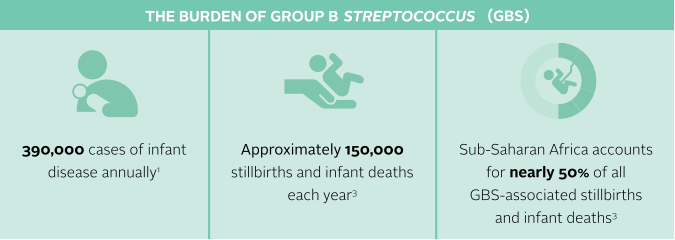
One in four pregnant people carries GBS. World Health Organization (WHO) modelling suggests that a maternal GBS vaccine could prevent more than half of infant GBS cases and may also reduce the risk of preterm birth and stillbirth, demonstrating its potential public health impact. 1,2
Against this backdrop, Pfizer is developing a maternal GBS vaccine candidate with funding and support from the Gates Foundation.4,5 During the period of analysis, the candidate progressed from Phase II to Phase III, bringing it closer to potential regulatory approval. Pfizer has developed a comprehensive access plan outlining concrete measures to support equitable access in countries with high public health needs.
Pfizer has developed a comprehensive access plan outlining concrete measures to support equitable access if its GBS vaccine candidate is approved, including steps related to affordability and supply in countries with high public health need.
Pfizer's access plan takes a broad approach to potential access barriers, addressing availability, supply and affordability in high-burden countries. It sets out concrete measures across each dimension to support equitable access if the candidate is approved:
Availability: Pfizer had established a project-specific access plan by Phase II, when the Index first began collecting data on the candidate. The clinical development programme includes trial sites in Brazil and South Africa. The plan also includes WHO prequalification if the candidate is successful, providing a regulatory pathway that could support its future availability in lower-income countrieshttps://www.gatesfoundation.org/ideas/media-center/press-releases/2022/09/gates-foundation-announces-grants-to-reduce-infant-mortality.4
Affordability and supply: Pfizer is developing the candidate with grant support from the Gates Foundation, totalling around USD 147 million. The funding supports clinical development and manufacturing, as well as the development of an affordable multidose vial for supply in lower-income countries through public-sector purchasers, including Gavi, the Vaccine Alliancehttps://www.gatesfoundation.org/ideas/media-center/press-releases/2022/09/gates-foundation-announces-grants-to-reduce-infant-mortality.4,5 These measures address potential supply barriers by supporting production, an appropriate vial format and a pathway towards rapid and scalable public-sector delivery if the candidate is approved.
What sets the plan apart from others assessed by the Index is its early, targeted approach to addressing access barriers beyond availability, including specific measures on affordability and supply. The vaccine candidate targets an unmet need in maternal and newborn health, underscoring the importance of comprehensive access planning to help it reach the populations that need it most if approved.
This example highlights the value of treating access planning as an integral part of product development rather than as a post-approval activity. Other pharmaceutical companies could apply a similar project-specific approach from Phase II onwards across products and disease areas, allowing potential access barriers to be considered while candidates are still in development.
Plans can be tailored to the characteristics of each candidate, its intended population and anticipated delivery pathway. Depending on the project, this could involve coordinated measures addressing affordability, availability and supply, such as pricing approaches, regulatory preparation, manufacturing support, suitable product formats and potential public-sector delivery pathways.
Access-oriented partners can reinforce these efforts through funding, technical expertise and collaboration. Their involvement can also help align product development with access priorities and strengthen preparations for future delivery. Pfizer’s approach demonstrates how embedding these considerations throughout clinical development can create a stronger basis for equitable access and better position promising candidates to reach populations with unmet needs if successfully developed and approved.
